Watch Out: How Pallets Warehouse Is Taking Over The World And What Can We Do About It


Understanding the Role of Pallets in Warehousing: A Comprehensive Overview
On the planet of logistics and supply chain management, pallets play an essential function in ensuring effectiveness. They serve as the basic foundation for how items are stored, carried, and dealt with within warehouses. This blog site looks into various aspects of pallets and their significance in warehousing, while likewise addressing often asked questions (FAQs) to supply a well-rounded understanding of this crucial part.
What is a Pallet?
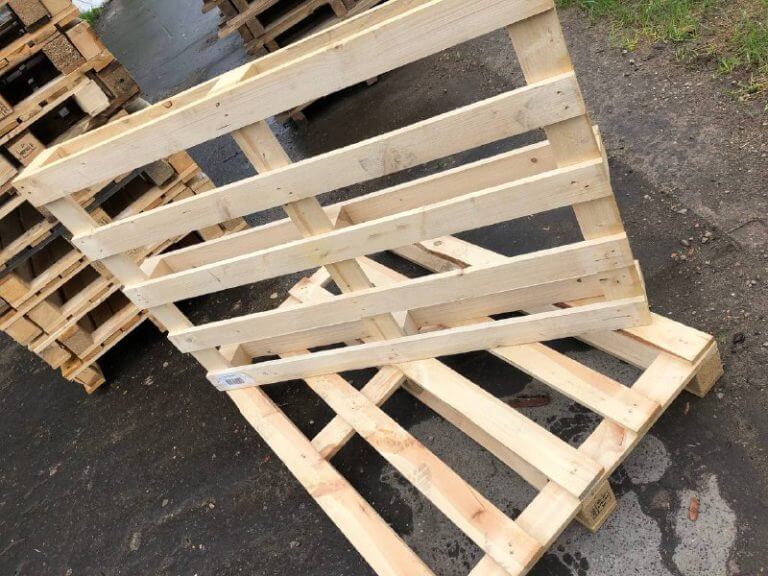
A pallet is a flat structure used to support products in a stable way while being raised by a forklift, pallet jack, or front loader. They are usually made from wood, plastic, or metal and be available in various sizes and types to accommodate various kinds of items.
Kinds of Pallets
Pallets can be categorized based on their material and style. Below is a summed up breakdown of the most common types:
| Type of Pallet | Material | Functions | Common Uses |
|---|---|---|---|
| Wooden Pallets | Wood | Durable, recyclable, cost-effective | General storage and shipping |
| Plastic Pallets | Plastic | Lightweight, resistant to moisture, resilient | Food market, pharmaceuticals |
| Metal Pallets | Steel or Aluminum | Heavy-duty, resistant to wear and tear | Industrial applications |
| Composite Pallets | Combined products | Integrates advantages of numerous products | Multi-purpose applications |
Value of Pallets in Warehouses
Pallets are necessary in contemporary warehousing for several reasons:
1. Efficiency in Storage and Handling
Pallets enable the storage of numerous goods simultaneously, increasing space efficiency. Forklifts and pallet jacks can easily move pallets, lowering manual labor and speeding up procedures.
2. Standardization
A lot of warehouses use standardized pallet sizes, which assists in uniformity in storage and transport, assisting to prevent confusion and mistakes throughout inventory management.
3. Protection of Goods
By elevating products off the ground, pallets assist safeguard products from moisture, dirt, and other environmental elements that could cause damage.
4. Improved Safety
Pallet stacking decreases the danger of accidents. Pallets minimize mess and supply a steady base for goods, promoting a more secure workplace.
5. Cost-Effectiveness
Using pallets can decrease operational expenses by optimizing area and decreasing the need for comprehensive shelving systems. In the long run, they are often more cost-effective compared to other storage methods.
Elements to Consider When Choosing Pallets
Selecting the right pallet depends on numerous aspects, including:
- Load Capacity: Understand the weight of the items that will be kept.
- Material: Depending on the products, some materials (like plastic) might be chosen for hygiene.
- Size: Make sure the pallet size fits your storage and transport requirements.
- Toughness: Assess the length of time the pallets will be needed and the environment they will be used in.
- Expense: Balance preliminary financial investment with long-term durability and upkeep costs.
Operations in a Pallet Warehouse
A normal pallet warehouse involves numerous operations to handle inventory efficiently:
1. Getting Inventory
Upon delivery, products are examined against order, and products are positioned onto pallets for organized storage.
2. Storage
Goods are kept according to a warehouse management system (WMS) that determines where items must be put based on their turnover rate and size.
3. Choosing Orders
When orders are received, workers utilize different picking approaches (e.g., wave picking, zone picking) to recover products from pallets effectively.
4. Shipping
Pallets are gotten ready for shipping, making sure that items are effectively protected and labeled for downstream transport.
Best Practices for Pallet Management
Efficient pallet management can significantly improve functional efficiency. Here are some best practices:
- Regular Inspections: Inspect pallets frequently for damage to ensure they stay safe for usage.
- Recycling and Disposal: Establish a system for recycling damaged pallets or getting rid of them in an eco-friendly way.
- Identifying: Clearly label pallets to simplify inventory tracking.
- Training: Ensure staff are trained in appropriate handling strategies to lessen accidents.
FAQs About Pallets in Warehousing
Q1: What is the standard size of a pallet?
A1: The basic size of a pallet differs by area, but the most typical size is 48" x 40" in North America. In read more , the requirement is frequently 1200 mm x 800 mm.
Q2: How do I pick between wood and plastic pallets?
A2: Wood pallets are normally more affordable, while plastic pallets are more durable and ideal for environments that require hygiene, like food or pharmaceutical industries.
Q3: Can pallets be recycled?
A3: Yes, pallets can often be reused numerous times. However, they should be looked for structural integrity and cleanliness before reuse.
Q4: What is the typical life-span of a pallet?
A4: The lifespan of a pallet differs based upon its product and use. Wooden pallets usually last a few years, while plastic and metal pallets can last much longer.
Q5: Are there various pallet styles?
A5: Yes, there are various designs such as block pallets, stringer pallets, and double-face pallets, each fit for different functions and managing approaches.
Pallets are indispensable in the warehouse setting, promoting efficient storage, security, and overall productivity. Comprehending their types, value, and best practices for management can substantially benefit companies looking to enhance their warehousing operations. As logistics continues to develop, the function of pallets will stay crucial in ensuring the smooth movement of goods in international supply chains.